a bit about names…
In the beginning of my 6th grade year, the same year the world completely changed on that September Tuesday morning, my biggest problem was that there were too many Johns.
John. Jonathan. The other Jonathan. Jon. Johnny. Juan.
Taking attendance felt like a Temu identity crisis. Every time Ms. Kessler called that name, we would all look up at once, each of us trying to determine if we were the one being addressed or if we were just collateral attention. It sounds small, almost even forgettable, but when you’re eleven, names are one of the only things that feel like they truly belong to you.
And when that gets blurred, something subtle but very real starts to slip.
So I made a decision.
I changed my name.
Not legally. Not dramatically. Just enough to create a boundary between me and everyone else answering to the same sound.
JD.
Short. Clear. Distinct.
Mine.
It wasn’t about rejecting who I was. It was about refusing to be confused with something that I wasn’t. Because names carry weight. They carry identity, meaning, expectation. They don’t just tell people what to call you… they shape how you’re seen, how you’re remembered, and how you’re understood.
When multiple people carry the same name in the same space, things can get a bit disorienting. You can respond to something that wasn’t meant for you, or miss something that absolutely was. You can begin to feel interchangeable, identity is just a label that can be swapped depending on who’s speaking.
That feeling… of blurred identity, of mistaken recognition… it’s easy to dismiss in a classroom.
But it’s much harder to ignore in a crowd.
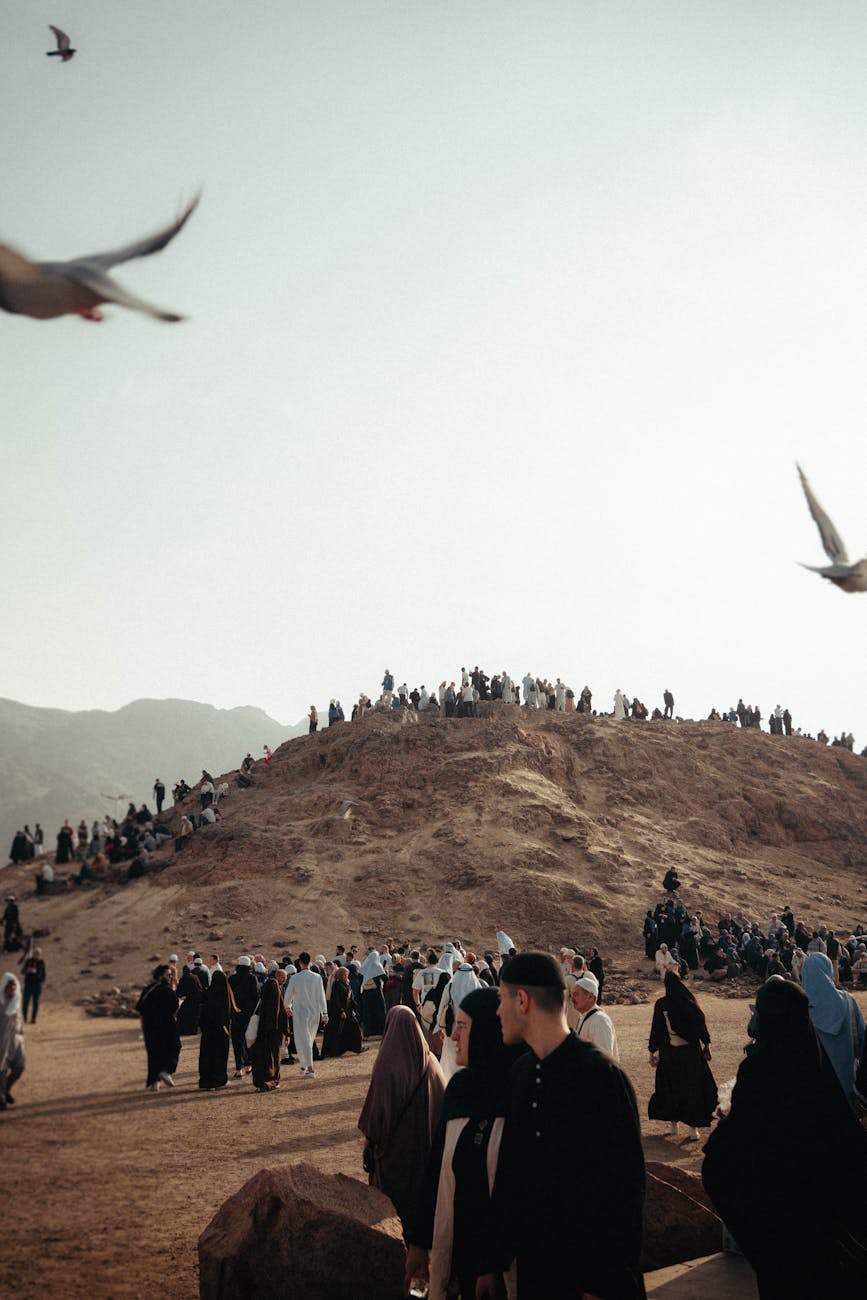
give us barabbas
Now imagine a city under occupation.
The tension isn’t hypothetical. It’s lived-in. Political, religious, cultural… all of it layered together under the watchful eye of an empire that doesn’t care about your traditions but is more than willing to weaponize them if it keeps the peace.
There’s a crowd gathered. Not a peaceful one. This is a crowd that has been shaped by pressure, by hope withdrawn, by a long memory of who they used to be and a present reality that reminds them, constantly, of what they’re losing and what’s already lost.
And standing in front of them is a Roman governor with… two prisoners.
He offers them a choice.
One will go free.
One will be executed.
Even before you examine the details, this entire setup feels unstable. When truth is decided by the loudest voices, justice becomes merely theater. A system so confident in its own authority that it can outsource its moral responsibility to a crowd and still maintain control.
But then there’s this detail that rarely gets mentioned.
The one that quietly reshapes everything.
In some of the earliest manuscripts of the Gospel of Matthew, both of the men standing before that crowd share the same name.
Not similar.
The same.
Jesus.
Or, more accurately: Yeshua.
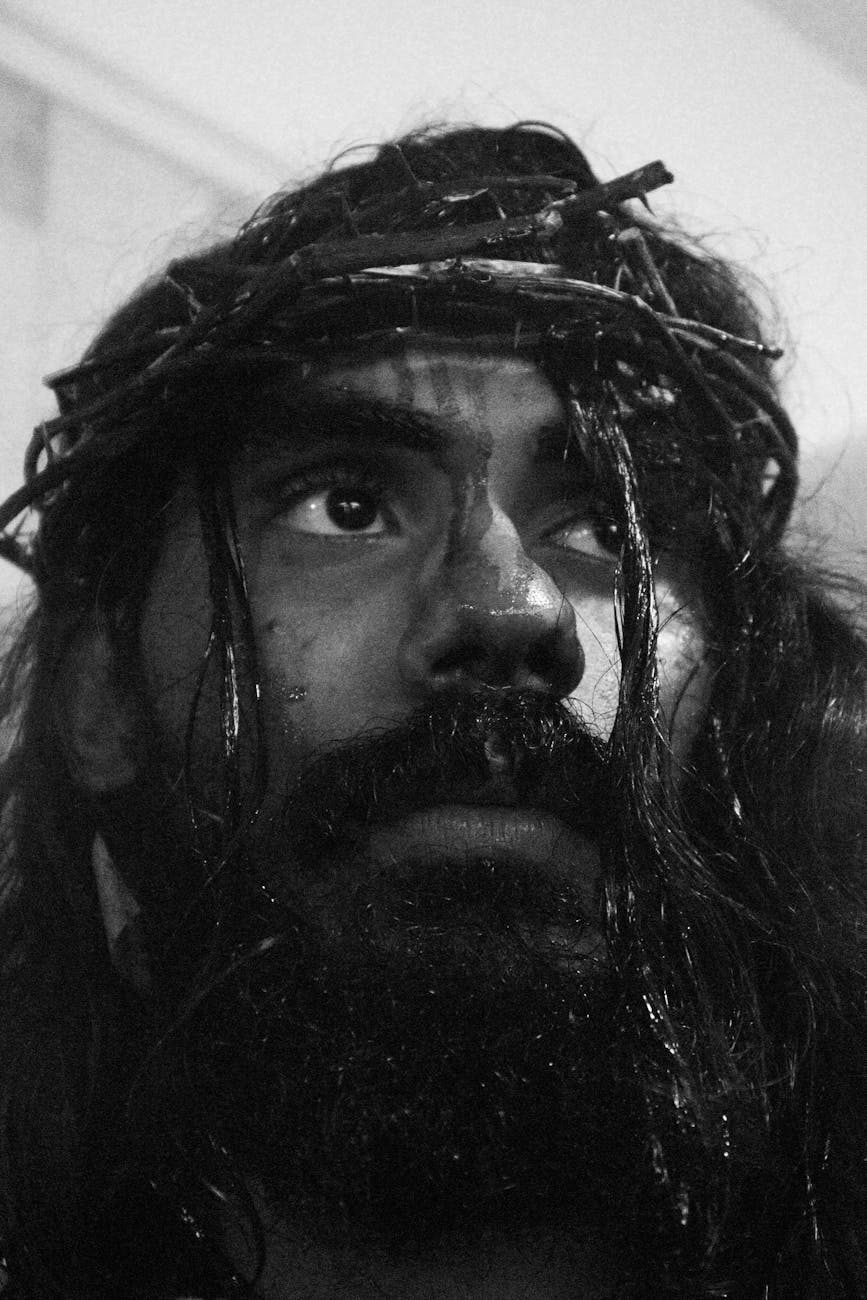
Most of us were given a simplified version of this story:
There’s Jesus.
And then there’s Barabbas.
Two completely different figures. Easy to separate. Easy to judge. One is clearly good, the other is clearly not.
But some of those early manuscripts preserve a name that complicates that clarity: There is a second “Jesus”. Yeshua Bar-Abba.
In Aramaic, that means “Yeshua, Son of the Father.”
Which means the crowd isn’t choosing between Jesus and someone else.
They’re choosing between:
Yeshua, Son of the Father
and
Yeshua, called the Messiah.
Two men.
Same name.
Same moment.
Same system holding them both.
One is released.
One is condemned.
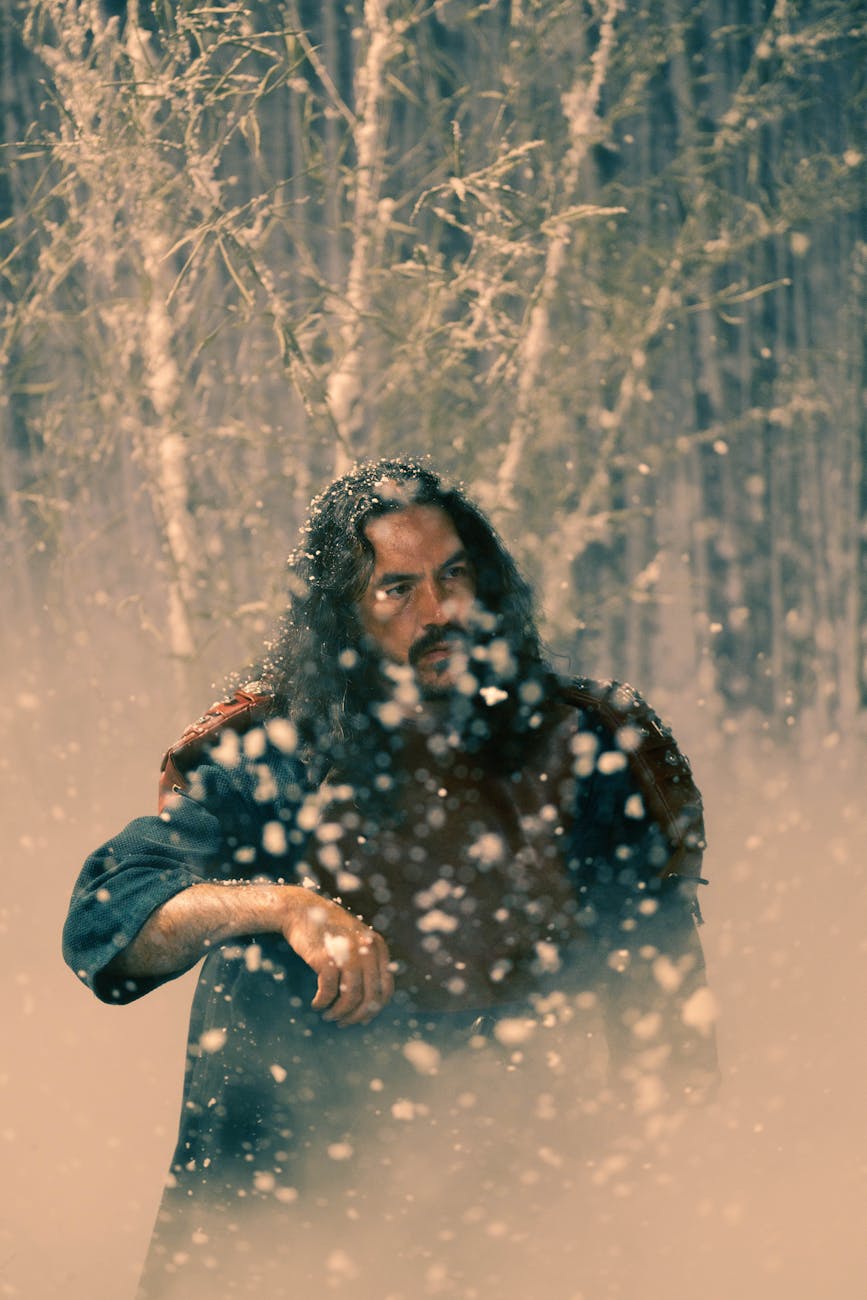
It’s also worth naming who Barabbas actually was (according to the gospels since there is no other record of this event)
He wasn’t just a random criminal. He wasn’t a petty thief or someone in the wrong place at the wrong time.
The Gospels describe him as an insurrectionist… someone involved in violent uprising against Rome. It’s alluded that he may have even been affiliated with the other men that ended up crucified next to Jesus Christ. (I’ll write about the word that is translated as thief or robber another time, but there’s more going on there, too. I know, please try to contain your surprise.)
Barabbas is the kind of person many in that crowd may have quietly admired. The kind of man who embodied the hope that one day, someone would finally fight back hard enough to win.
Which means the choice in front of that crowd that day wasn’t abstract.
It was painfully concrete.
Do you want the Yeshua who resists empire with violence…
or the Yeshua who refuses to mirror it at all?
Do you want the one who takes power back…
or the one who redefines power entirely?
One promises victory that you can see.
The other invites transformation that you can’t control.
And suddenly the choice makes more sense.
Not better. But more understandable.
Because Barabbas didn’t look like the wrong choice.
He looked like the obvious one.
And suddenly this story isn’t a clean moral contrast. It becomes something far more unsettling… a confrontation between two visions that look similar on the surface but lead in entirely different directions.
I wrote recently about the name “Jesus,” about how “Yeshua” isn’t just a label but a meaning… rescue, deliverance, salvation. Not as a doctrinal statement, but as a lived hope. It’s the kind of name parents would give a child because they believed something in the world needed to be made right.
And here, in this moment, that hope is embodied twice.
Two versions of salvation.
Two interpretations of what it means to be free.
One that aligns with instinct.
One that disrupts it.
One Yeshua represents something familiar. Tangible. Immediate. A form of deliverance that makes sense in a world governed by power. Resistance. Control. The kind of savior that fights back, that meets force with force, that promises to restore what was lost by taking it back.
The other Yeshua represents something far more difficult to grasp. A way that refuses to mirror the violence it confronts. A kingdom that doesn’t rise through domination but undermines it from within. It doesn’t offer control. It invites transformation… something slower, less visible, and far more demanding.
One fits the expectations of the crowd.
The other challenges the framework entirely.
And the crowd chooses.
They release one Yeshua.
And they crucify the other.
The longer you sit with that, the harder it is to keep the story at a safe distance. It stops being history and starts becoming a diagnosis.
Because this isn’t the first time a community has stood in front of two identical figures and made a choice about what to do with them.
two goats
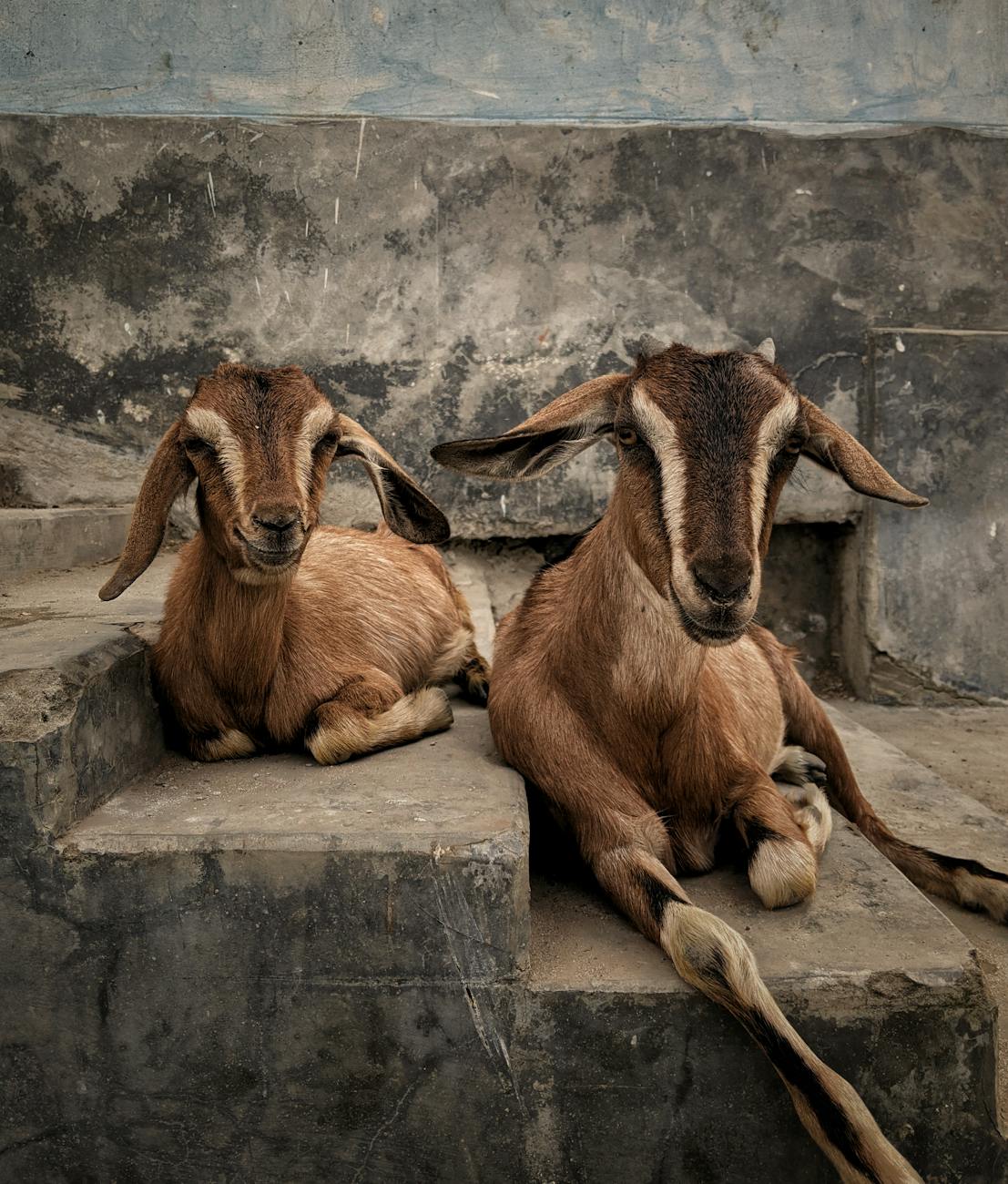
Long before Rome and Pontius Pilate, there was a ritual described in Leviticus.
Once a year, on the Day of Atonement (aka Yom Kippur), two goats were brought forward.
They were chosen to be as identical as possible. No distinction in strength, appearance, or value. Just two living representations standing in the same place at the same time.
Lots were cast.
One goat would be sacrificed.
The other would be sent away into the wilderness, carrying with it the weight of the people’s failures, their misalignments, their accumulated harm.
Not punished. Not tortured.
Removed.
Taken outside the camp.
One dies.
One is released.
The ritual isn’t just about the goats. It’s about the people watching the ritual. It’s about what they project, what they transfer, what they need to externalize in order to feel whole again.
Something in them needs to be dealt with.
Something in them needs to be carried away.
Now let’s return to the scene before Pilate.
Two figures.
One condemned.
One released.
A crowd watching.
A choice being made.
This isn’t just a political moment. It’s a reenactment. A living symbol of something much older, something embedded in the way humans deal with fear, guilt, and the need for resolution.
And here’s where it gets uncomfortable.
In that ancient ritual, the one who carries the weight is sent outside the camp…removed from the center, from the place of belonging, from the system that defines what is acceptable and what is not.
And in the story of Jesus, the story of Yeshua, the same pattern unfolds.
He is taken outside the city.
Rejected.
Cast out.
Labeled as the problem.
Not because an angry God needs blood.
But because we seem to need somewhere to put our blame.
Our fear has to go somewhere. Our anger has to go somewhere. Our violence has to be justified, redirected, sanctified. So we create systems that allow us to externalize it, to project it onto someone else, to call it necessary, righteous, even holy.
And then we choose.
Not just once.
But again.
And again.
And again.
We choose the version of salvation that lets us stay in control. We choose the version of power that reassures us we’re on the right side. We choose the narrative that allows us to preserve our identity without requiring transformation. And then we baptize it and call it faith.
this is ancient history, right?
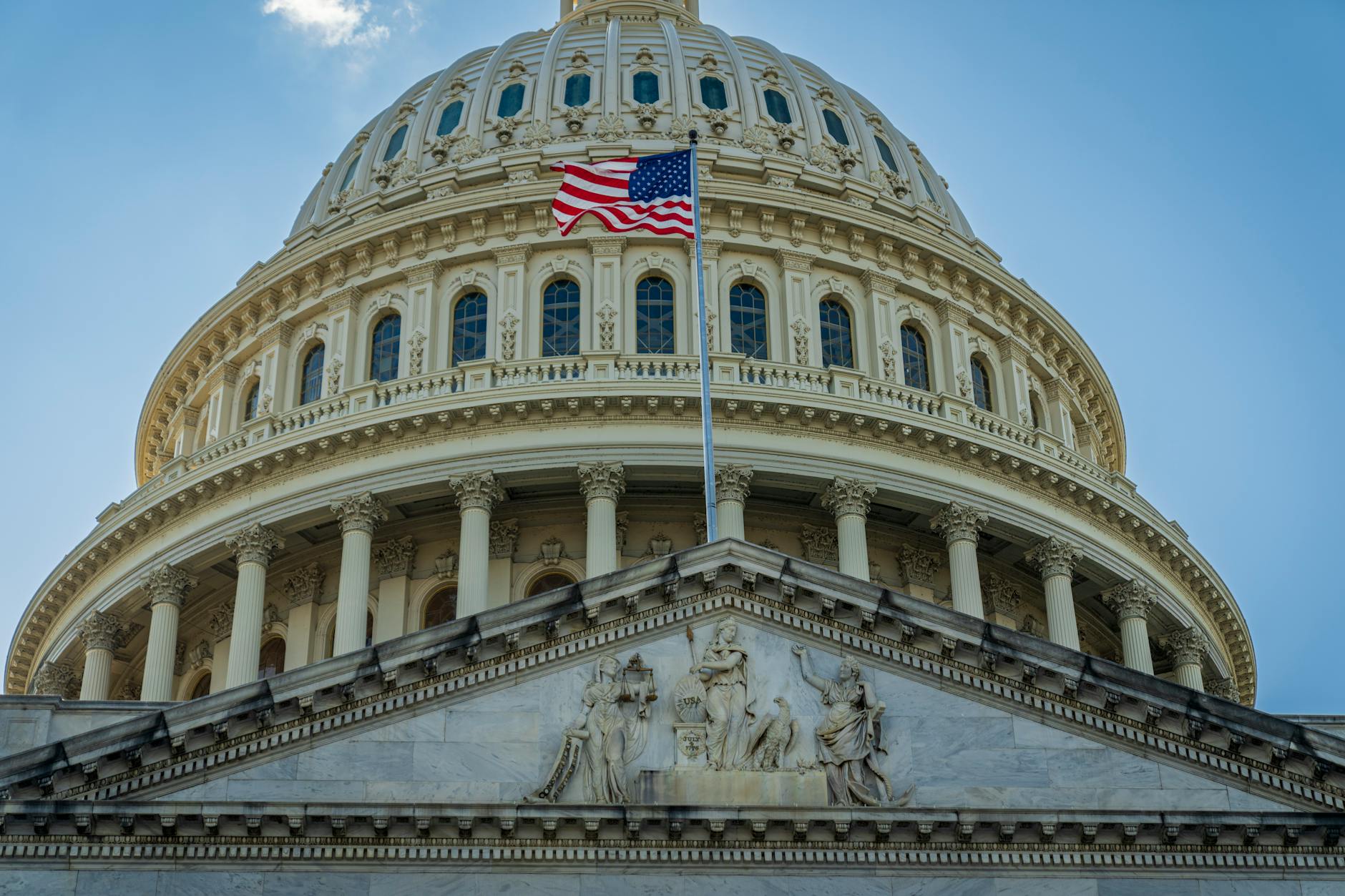
Look around.
Not in theory. Not in abstraction.
Right here.
Especially for us in America.
In a country where power is constantly baptized in the language of God (or maybe Pulp Fiction). Where violence is justified as protection. Where systems that harm are defended because they feel familiar. Where entire groups of people are reduced, labeled, dismissed… sent outside the camp so the rest of us can feel clean.
Where wars are waged in our name, funded by our dollars, and explained to us as necessary.
We are still standing in that crowd.
Still being offered a choice.
Still deciding which version of Yeshua we want.
One that reflects our fear.
Or one that transforms it.
And maybe the most unsettling part of the story isn’t that they chose the wrong one.
It’s how often we still would.
Not because we’re evil. But because the other way, the way of the crucified Yeshua, doesn’t give us what we think we need.
It takes something from us.
Our certainty. Our control.
Our ability to draw clean lines between “us” and “them.”
And it replaces it with something harder.
Something less flashy.
Something that doesn’t win the way we’ve been taught winning looks.
Love that absorbs violence without returning it.
Truth that exposes systems without becoming one.
A Kingdom that doesn’t come with force
but grows quietly
subversively
within and among us.
That kind of salvation doesn’t look like power.
At least not at first.
Which is why the crowd chose Barabbas, the other Yeshua.
And why, if we’re honest…
we still feel the pull to do the same.



 The Way of the Source
Leave a comment